The plastic injection molding industry is changing fast. Summer 2026 is shaping up to be one of the most important seasons for manufacturers in recent memory. Here’s what’s driving the industry right now and what it means for your business.
The Reshoring Wave Is Here
For years, companies chasing lower costs sent production overseas. That’s changing quickly. Tariffs, supply chain disruptions, and rising wages abroad have made domestic manufacturing the smarter choice again.
In 2026, reshoring is becoming the default strategy for high-spec programs that value stability over short-term savings. For automotive suppliers in Michigan and the Midwest, that’s a major opportunity.
As major automakers bring manufacturing back to U.S. soil, plastic parts suppliers that can offer reliable domestic production will have a clear strategic advantage. Companies with the equipment and capacity already in place — like PMD — are ready to meet that demand.
Smarter Factories, Better Results
Relying on experience alone isn’t enough anymore. The industry is moving toward data-driven production, and the results speak for themselves.
Key developments include:
- Real-time process monitoring — tracking exactly how plastic behaves during fill, pack, and cooling to catch problems before they become defects
- Predictive maintenance — smart sensors that flag machine issues early, reducing downtime
- Automated defect detection — catching quality issues on the line, not after the fact
Facilities investing in these tools now are seeing fewer rejects, tighter tolerances, and stronger customer confidence.
Sustainability Is Now a Business Requirement
Going green used to be optional. In 2026, it’s a line item in sourcing requirements. OEMs are increasingly asking their suppliers to demonstrate:
- Optimized cycle times that reduce energy use
- Scrap reduction tied to process performance
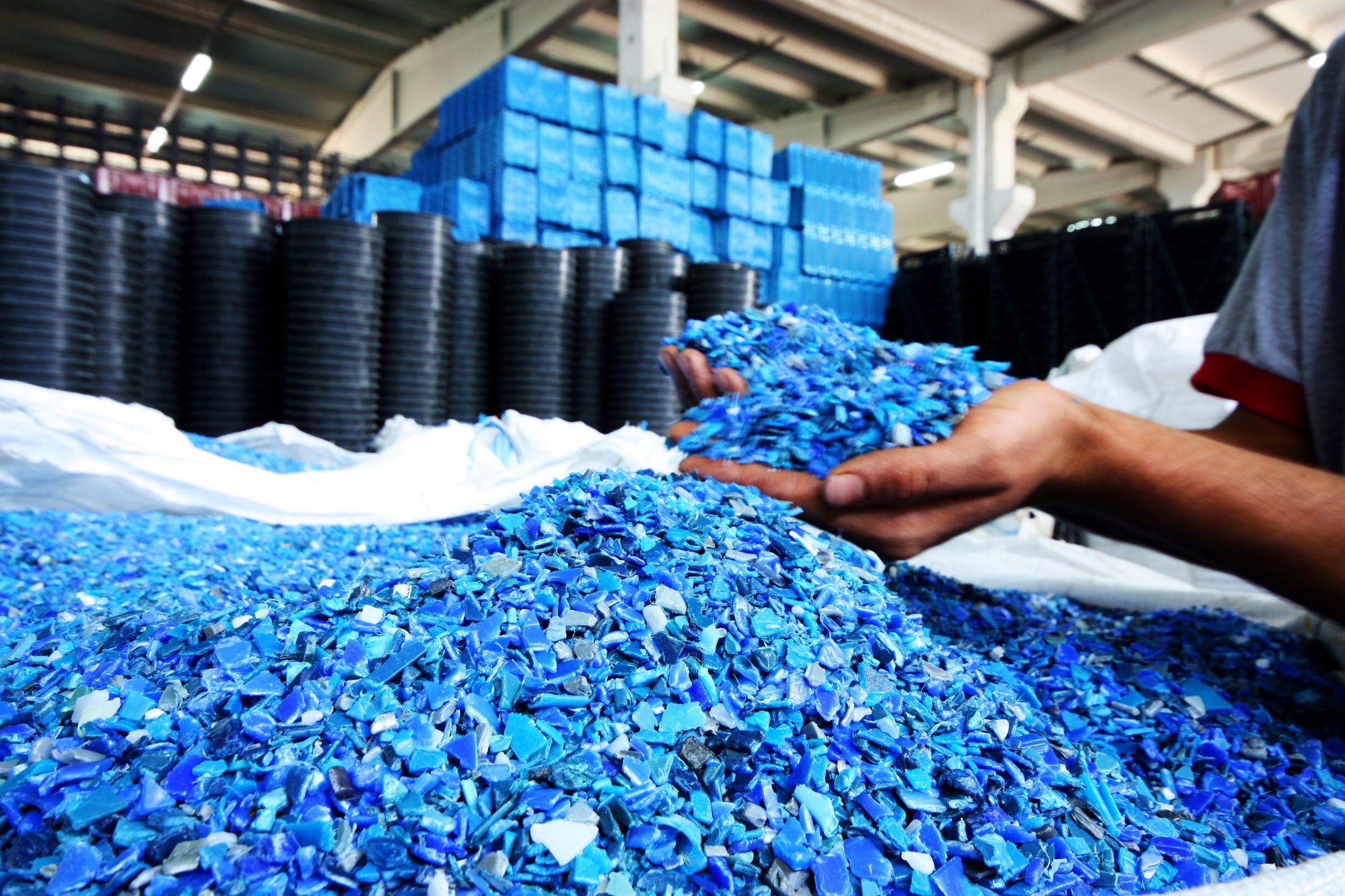
- Use of recycled or bio-based materials where possible
- Shorter supply chains that lower carbon footprint
Newer-generation molding equipment uses less energy and generates fewer greenhouse gases. Manufacturers who can show responsible practices are earning stronger, longer-lasting positions in OEM supply chains.
Parts Are Getting More Complex
Simple single-material parts are giving way to more sophisticated designs. New developments now allow multiple materials to be combined in a single part. This includes overmolding, co-injection molding, and hybrid molding that blends plastics with metals or composites to create lightweight, high-strength components.
This is especially true in growing sectors like EV components, medical devices, and consumer electronics — all of which demand higher precision and more advanced materials than ever before.
EVs Are Opening New Doors
The electric vehicle boom is good news for plastic molders. Automotive OEMs are replacing metal parts with engineered thermoplastics to improve fuel efficiency and EV range. Grand View Research states that the rise of EV manufacturing has driven up demand for high-performance plastic components.
For Michigan-based molders, this is a natural fit. The automotive EV transition is an established growth driver for injection molding.
A Season of Growth
The global injection molding market was valued at over $301 billion in 2024 and is projected to reach nearly $460 billion by 2033, according to Skyquestt. Summer 2026 sits right at the start of that growth curve — a great time to make sure your production partner is ready to scale with you.
What This Means for PMD Customers
At Plastic Molding Development, we’ve been serving the automotive industry from Sterling Heights since 1985. These trends show up in every project we take on, making us a prime option as a supplier of plastic molding solutions.
Whether you need:
- A fast-turnaround short run
- A full mold tryout on large-tonnage equipment
- Precision process control for complex parts
…we’re built for this moment. Press time is available now.
Call us at (586) 739-4500 or visit plasticmoldingdevelopment.com to book your run.